Roof flashing is easy to overlook because it is meant to blend into the roof. It becomes important when water reaches a joint, wall, vent, valley, or roof edge that ordinary shingles, tile, or membrane cannot protect on their own. A small visible gap does not prove where a leak began, but it is a good reason to record the clues safely and have the roof detail assessed before water causes a larger interior problem.
What Roof Flashing Does
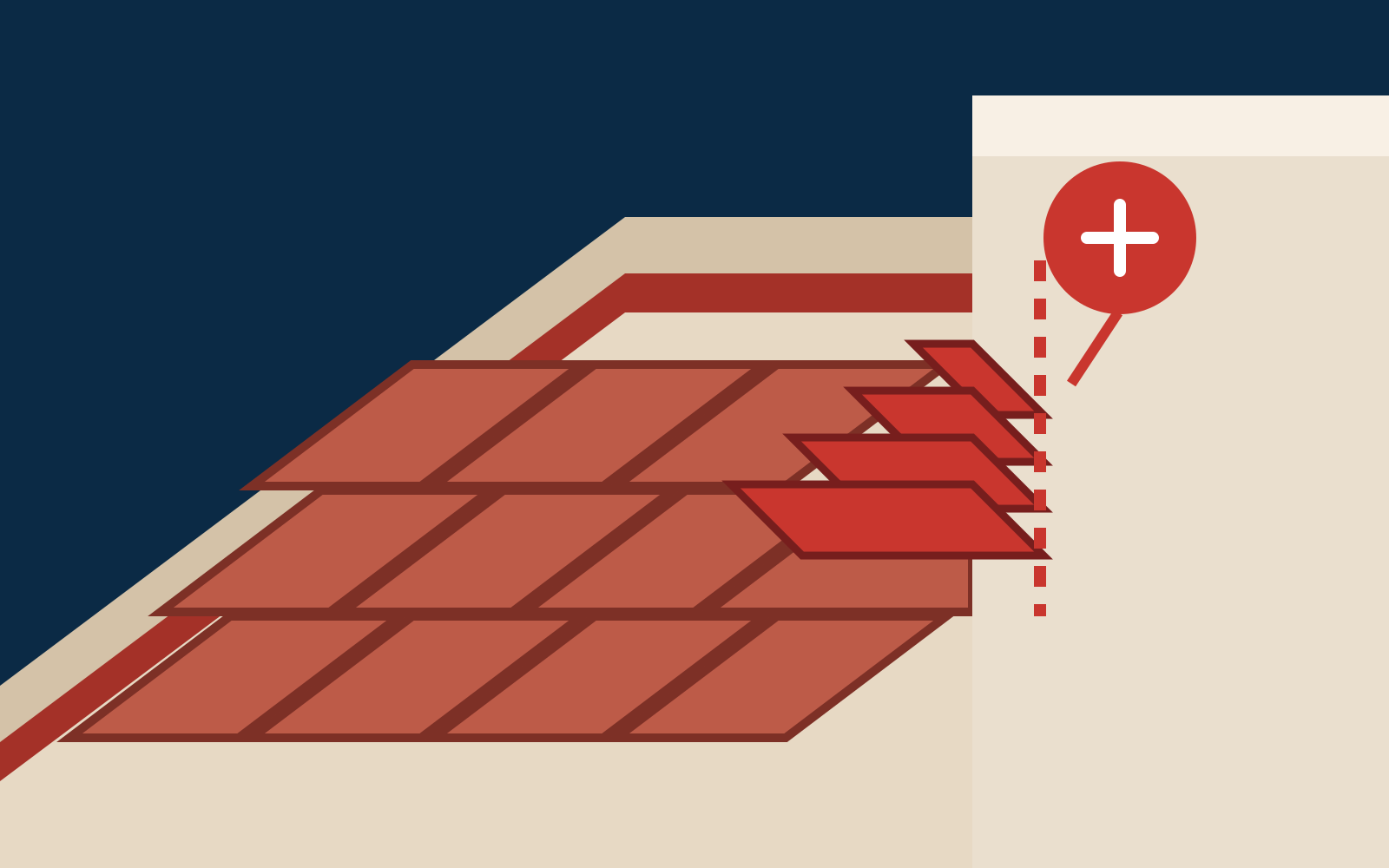
Roof flashing is the material that helps move water over, around, and away from the places where a roof changes direction or is interrupted. On a sloped roof, it is commonly found where the roof meets a wall, chimney, skylight, plumbing vent, valley, dormer, or edge. On low-slope commercial roofs, flashing also protects parapet walls, drains, equipment curbs, expansion joints, and other transitions. These are not minor details. They are the places where the roof needs a carefully connected water path.
The material can be metal, a formed membrane component, or part of a roof system designed for a specific transition. The important point is not the material name. It is whether water is directed back onto the roof surface and whether the detail is integrated with the layers around it. The Insurance Institute for Business & Home Safety guidance describes flashing as the weatherproofing at roof edges, penetrations, walls, valleys, drains, and other interrupted areas of a roof covering.

Different flashing details solve different water-management problems. Step flashing is used where a sloped roof meets a vertical wall. Counterflashing helps protect the upper edge of a flashing detail on a wall or chimney. A pipe boot seals around a vent pipe. Valley flashing manages concentrated runoff where two slopes meet. Drip edge helps guide water away from the roof edge. Low-slope roofs use their own membrane and metal details around walls, drains, curbs, and equipment. A professional assessment looks at the right detail for the roof type, not just the nearest piece of visible metal.
That matters because water does not always reveal the true source. It can run beneath tile or shingles, follow roof decking, travel along framing, or collect lower down before it leaves a stain on the ceiling. If you notice a rain-related stain, use TRCORP's ceiling leak after rain guide to protect the room and document the timing. Treat the stain as a clue, not a map of the repair.
Signs a Flashing Detail May Need Attention
A flashing problem can show up outside, inside, or only after a particular kind of weather. From the ground, look for metal that appears bent, lifted, separated, rusted, or missing. Notice a cracked pipe boot, gaps near a roof-to-wall transition, loose edge metal, or debris packed into a valley. You do not need to diagnose the cause from the driveway. A photo from a safe position is useful because it shows a roofer what changed and where to start looking.
Inside, a fresh ceiling stain, damp attic insulation, darkened decking, peeling paint, musty odour, or a drip that returns during rain can all justify a closer look. Pay attention to location and timing. A leak near a chimney, skylight, vent, exterior wall, or roof valley can make flashing one of the details worth checking. But a stain near a bathroom, laundry area, or HVAC equipment can also involve plumbing or condensation. TRCORP's attic condensation or roof leak guide explains why that distinction matters before anyone starts sealing the roof.

Wind-driven rain is another useful clue. A roof may shed ordinary rain but take on water when wind pushes it toward a wall intersection, chimney, vent, or roof edge. A leak that appears after a long storm can point toward a slow water path, drainage issue, or valley. A leak that appears only during a certain wind direction gives an inspector information that a dry-day photo cannot. Write down when the leak happened, which room was affected, how long it lasted, and whether wind or rain was involved.
Keep the inspection safe. Do not climb onto a wet roof, pull at a loose piece of metal, or lean a ladder against damaged materials for a closer look. If water is near a light fixture, electrical equipment, or a bulging ceiling, keep people clear of the area and arrange help promptly. The goal is to preserve the clues and protect the property, not to turn a roofing concern into an injury.
Why Roof Flashing Fails
Flashing works at the busiest parts of a roof, where water changes direction and different materials meet. Sun, temperature swings, wind, rain, hail, building movement, and ordinary aging can all affect the connection over time. A metal edge can loosen. A sealant joint can dry and split. A rubber boot around a vent can crack. A membrane detail can separate at a curb or wall. Debris can slow water in a valley or at a drain and force it toward a vulnerable seam.
Installation details matter too. Flashing needs the right overlap, direction, fastening, and integration with the surrounding roof system. A repair that only puts sealant over the surface may look tidy while leaving the water path underneath unresolved. The GAF steep-slope field guide identifies penetrations, chimneys, valleys, eaves, and areas where flashing replaces roof covering as common places to inspect when tracking a leak.

El Paso conditions make this maintenance conversation more practical, not more dramatic. Intense sun can age exposed materials. Wind can pull at roof edges and transitions. Sudden hard rain can reveal a weak flashing or drainage detail that stayed hidden through a dry stretch. The site's El Paso roofing and weather statistics offer local context for the heat, rain, and weather exposure that a roof manages throughout the year.
On commercial roofs, the same principle applies at a different scale. Drains, scuppers, parapet walls, rooftop units, pipe penetrations, and membrane seams must move water off the roof while allowing for the way the building and materials move. A leak in one room may be some distance from the entry point. Property managers can use TRCORP's commercial roofing service to plan a systematic assessment that accounts for drainage, equipment, operating needs, and the roof system as a whole.
Build a Useful Record Before the Inspection
A few clear observations can make a flashing inspection more efficient. Start with the weather. Note the date, whether the issue followed light rain, a hard downpour, hail, or wind from a particular direction, and whether the moisture stopped when the weather passed. Then note the room, ceiling area, or attic location where you saw the first sign. A photo is useful when it has a simple reference point, such as a nearby vent, exterior wall, or room corner.
From a safe ground position, take wide photos of each roof slope and closer photos of any visible changes around vents, roof-to-wall intersections, valleys, skylights, chimneys, gutters, or edge metal. Keep the original photos rather than relying only on screenshots or edited images. If a loose piece of roofing or metal has fallen where it can be collected without risk, set it aside and photograph where it was found. Do not pull materials free or try to create an opening so you can see underneath.
Inside, document the extent of a stain or damp area, and note whether it changes after the next weather event. If the attic is safely accessible, photograph visible water tracks, darkened decking, wet insulation, or daylight from a stable walking surface. Do not step between ceiling joists, disturb wet electrical wiring, or compress insulation to reach a spot. A professional can connect those clues to the roof geometry above and determine whether the evidence points to flashing, a roof-covering issue, drainage, condensation, or another moisture source.
For a business or multi-unit property, add operational information to the record: the rooms affected, equipment below the leak, access limitations, prior repairs, and whether the issue is recurring. That helps separate the immediate need to protect the space from the longer-term scope of work. It also makes it easier to plan repairs around occupants, inventory, or rooftop equipment instead of discovering those constraints after the roof is opened.
The point of this record is not to prove a diagnosis before a roofer arrives. It is to preserve the evidence that weather and time can erase. A roof detail may look dry a few days after rain, while the timing of the leak, photos of the water path, and notes about wind direction can still guide the inspection. The result is a clearer conversation about what is known, what needs to be checked, and what work is actually appropriate.
Repair or Replacement: What an Inspection Clarifies
A damaged flashing detail does not automatically mean the whole roof needs replacement. When the problem is limited, the surrounding materials are sound, and the water source can be identified, a focused repair may be the sensible answer. That can involve resealing a compatible detail, securing a loose component, replacing a worn pipe boot, or rebuilding a localized flashing connection so it properly sheds water again.
Replacement deserves a closer look when flashing is badly corroded, split, repeatedly failing, incorrectly integrated, or connected to roofing materials that are broadly worn or brittle. The scope can also change when an inspection finds wet insulation, damaged decking, deteriorated underlayment, or multiple failing roof details. A clear recommendation should explain what is wrong, what a repair can realistically solve, what condition remains outside the repair, and why a broader scope is or is not justified.

Before agreeing to work, ask for the evidence in plain language. Which roof detail is suspected? What supports that conclusion? Is the visible interior stain close to the actual entry point or only the end of the water path? Will the work address the surrounding roof material as well as the flashing? Is there a drainage, ventilation, or other moisture source that needs separate attention? Those questions help avoid a repair that only hides the symptom.
TRCORP helps El Paso homeowners and property owners turn a leak, loose detail, or weather-related change into a clear plan. For active water entry, start with the roof leak repair page. For a broader assessment before deciding on repair, maintenance, or replacement, review the roof inspection service or request a free estimate. Good notes and photos from a safe ground-level view can make that conversation faster and more precise.
Frequently asked questions
What is roof flashing?
Roof flashing is the material installed where a roof changes direction, meets a wall, or surrounds an opening such as a pipe, vent, chimney, skylight, drain, or rooftop unit. Its job is to direct water back onto the roof surface so it can drain away.
Can damaged flashing cause a roof leak?
Yes. Loose, cracked, corroded, poorly integrated, or separated flashing can create a route for water to get beneath the roof covering. The interior stain may not sit directly below the failed detail because water can travel along decking, framing, or insulation.
Can roof flashing be repaired instead of replaced?
Sometimes. A limited problem on otherwise sound flashing may be corrected with a compatible repair. Flashing that is split, badly corroded, improperly installed, or part of broader roof wear may need replacement and integration with the surrounding roof materials.
Is caulk enough to fix roof flashing?
Caulk or sealant can be part of a specific roof detail, but it is not a substitute for flashing that is correctly lapped, secured, and connected to the surrounding roof. Repeated surface caulking can hide a water path without correcting it.
When should I call a roofer about flashing?
Call promptly for active water, a new ceiling or attic stain, loose or missing metal, recurring leaks after rain or wind, visible corrosion, or moisture around a chimney, vent, skylight, wall, valley, or roof edge. A professional inspection can identify whether flashing is the source and what scope of repair is appropriate.


